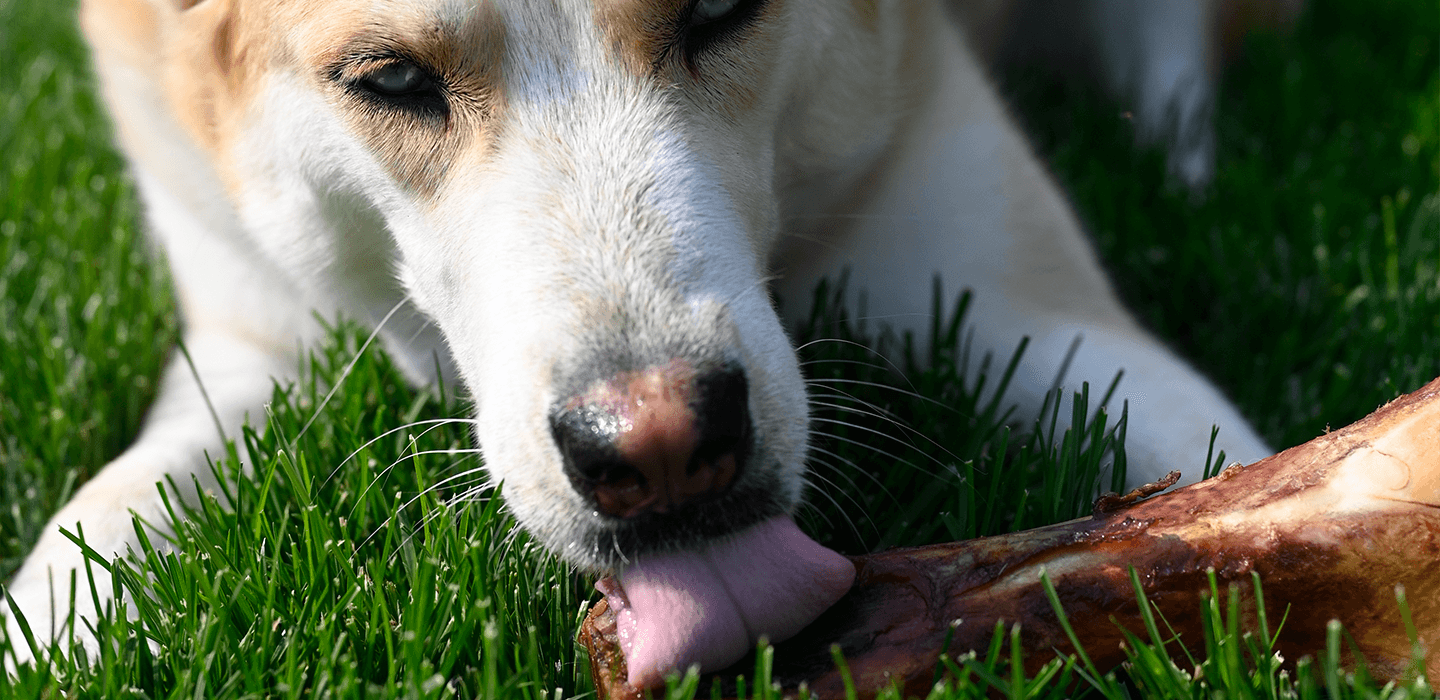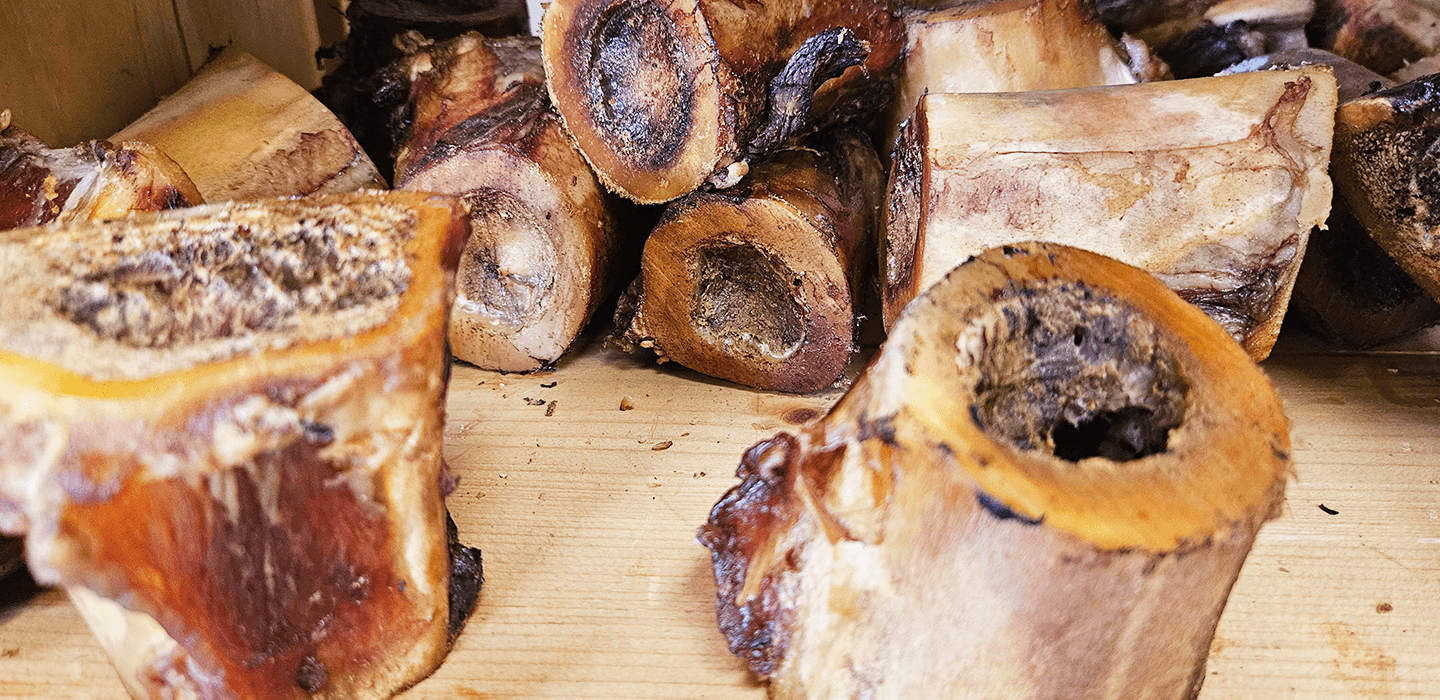
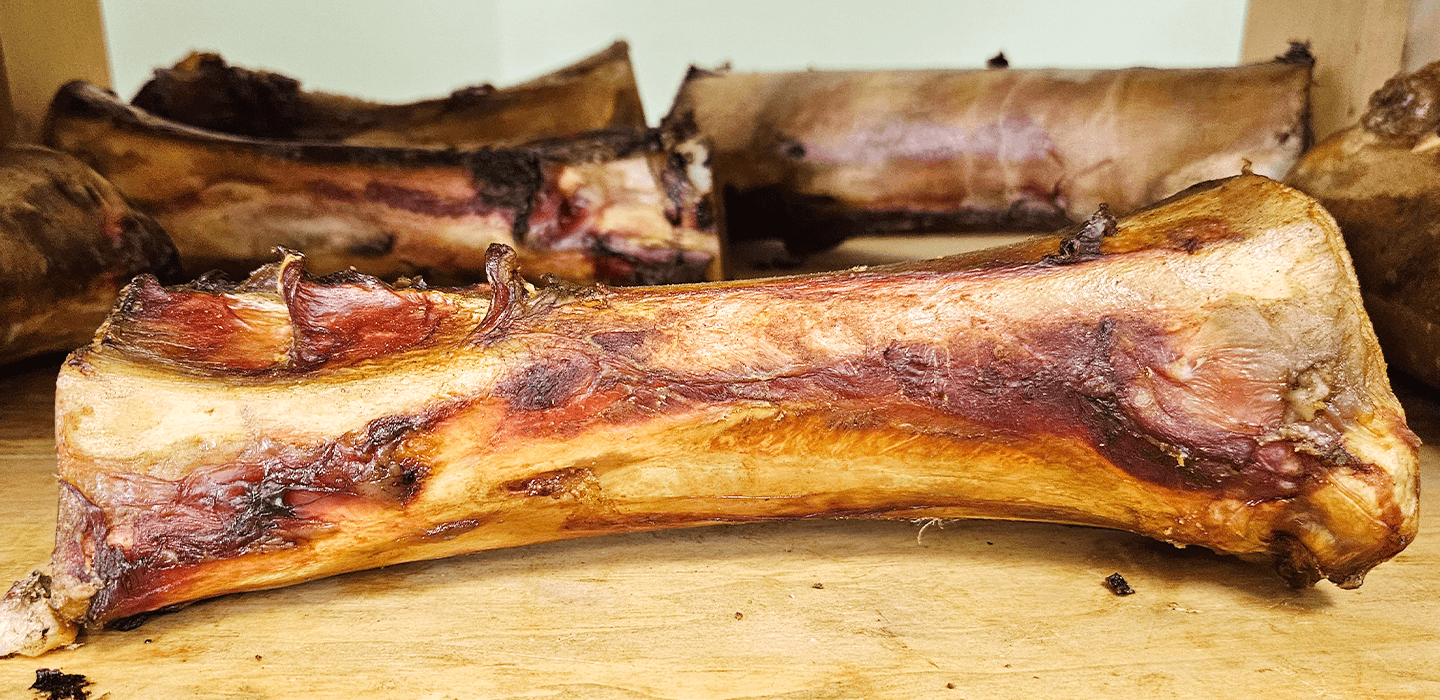
Choosing a bone chew should feel simple — but the wrong size or style can turn “fun enrichment” into “why is my dog trying to swallow a rock?”
Start with the #1 rule: match the chew to the chewer
Most chew problems aren’t about the product — they’re about the mismatch. Here’s the quick breakdown.
Chewer types (which one is your dog?)
- Nibblers: gentle, slow, likes smaller chews
- Workers: steady chewing, enjoys long sessions
- Demolition crews: heavy bite, tries to crack everything
Size matters more than people think
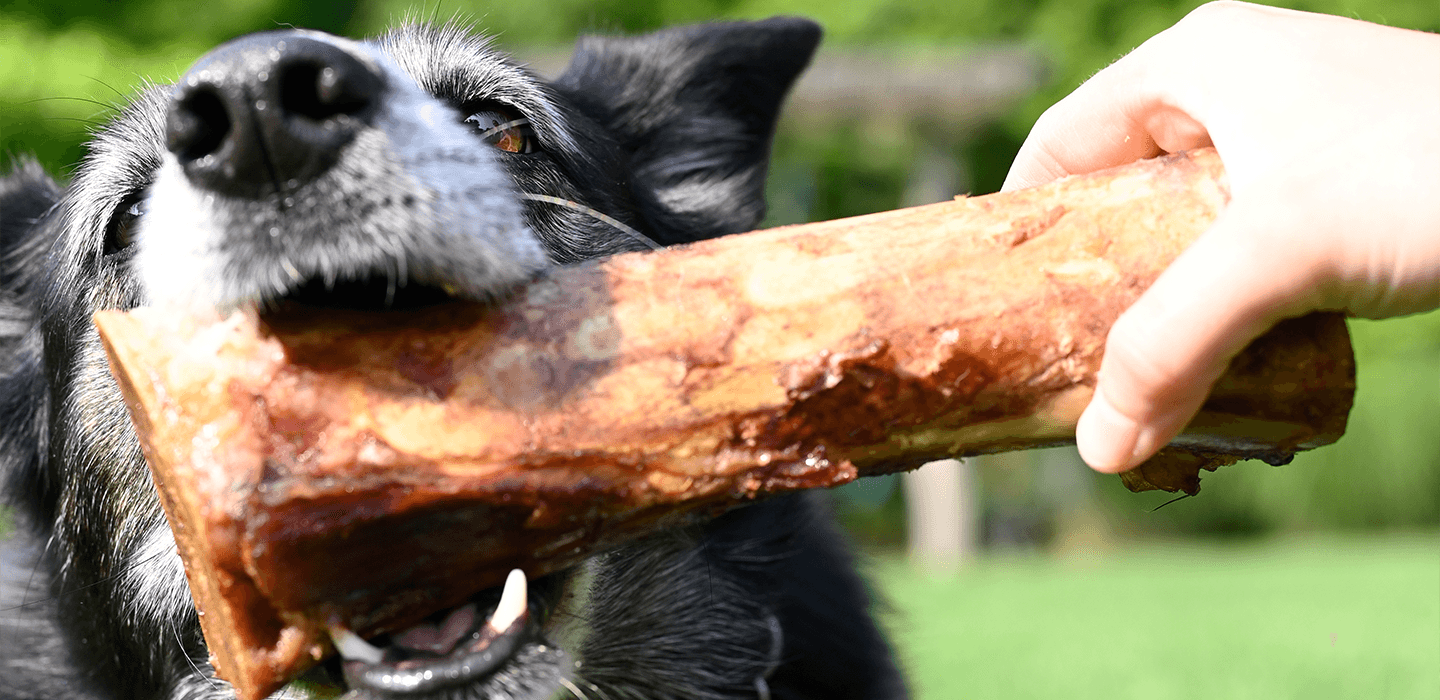
A safe chew is one your dog can work on without trying to gulp it. As a general rule, choose a chew that’s bigger than your dog’s mouth — meaning they can’t fit the whole thing between their jaws.
Quick size checklist
- Too small: can be swallowed whole (choking risk)
- Too hard for the dog: can be rough on sensitive teeth
- Just right: dog can grip it, gnaw it, and stay busy
Our safety basics (real-world, not fluff)
- Supervise chewing — especially with strong chewers
- Discard small pieces once it’s swallow-sized
- Watch for sharp edges — toss it if it splinters or cracks into points
- For seniors: choose gentler chews like chicken feet/necks
Why smoked low & slow matters
High heat can make some bones brittle. We smoke low & slow to build flavor while aiming for a chew that stays satisfying (not “shatter-y”).
Still unsure? Here’s the easiest move
If you’re between sizes, go bigger — and if your dog is a power chewer, start with a more durable chew and keep sessions supervised.
Need help picking? Our FAQ covers sizing and safety, and you can always contact us if you want a quick recommendation.