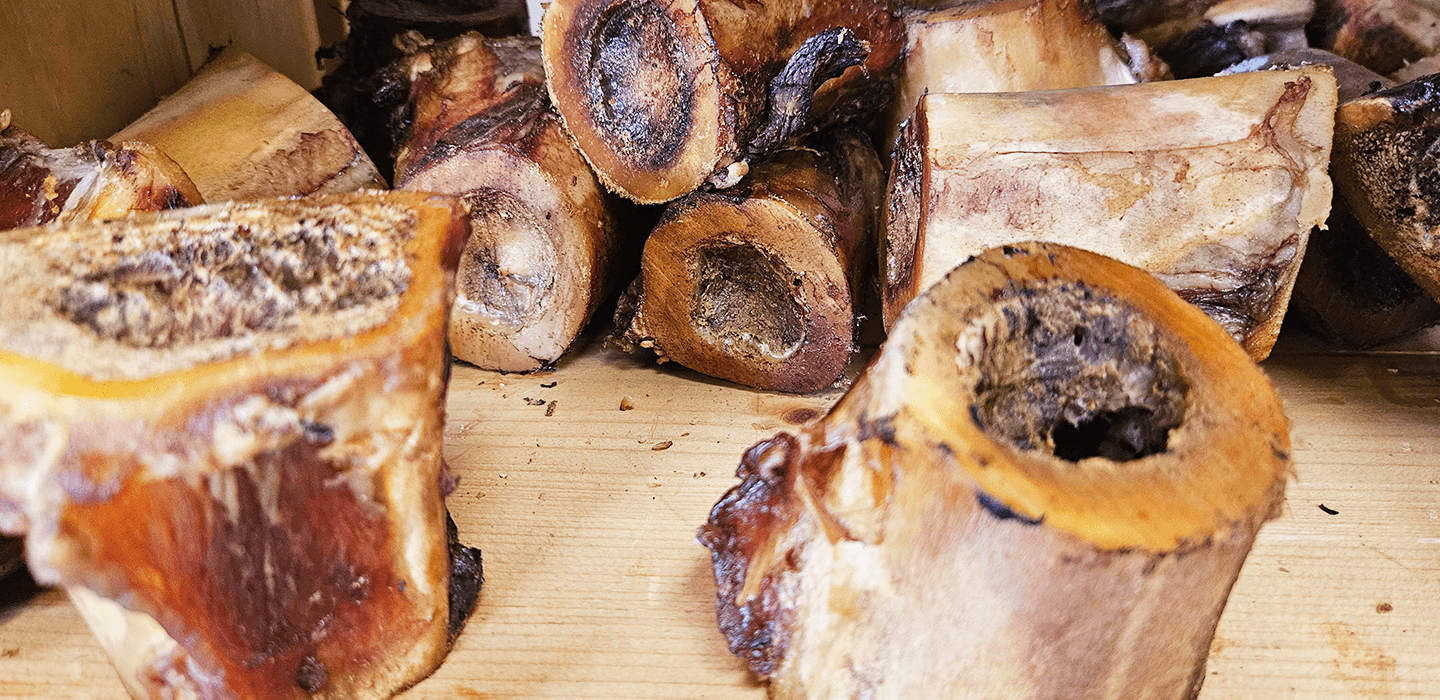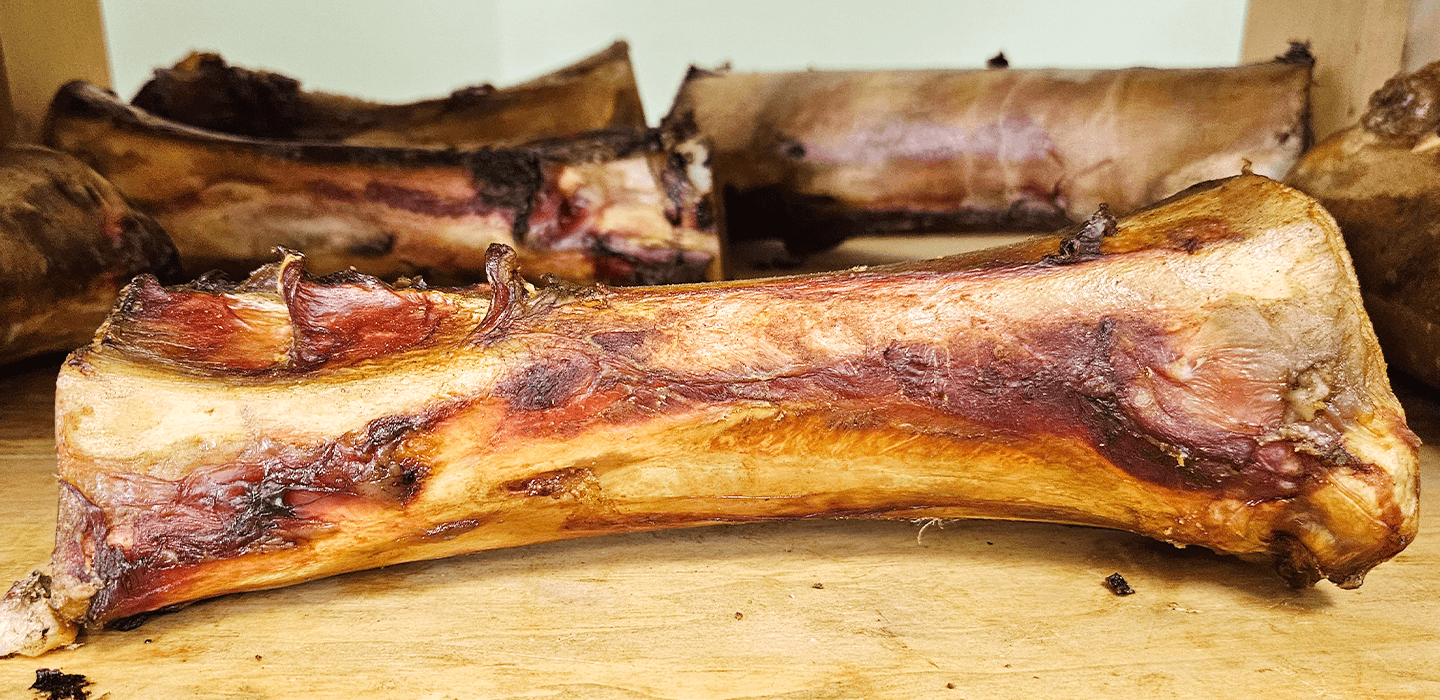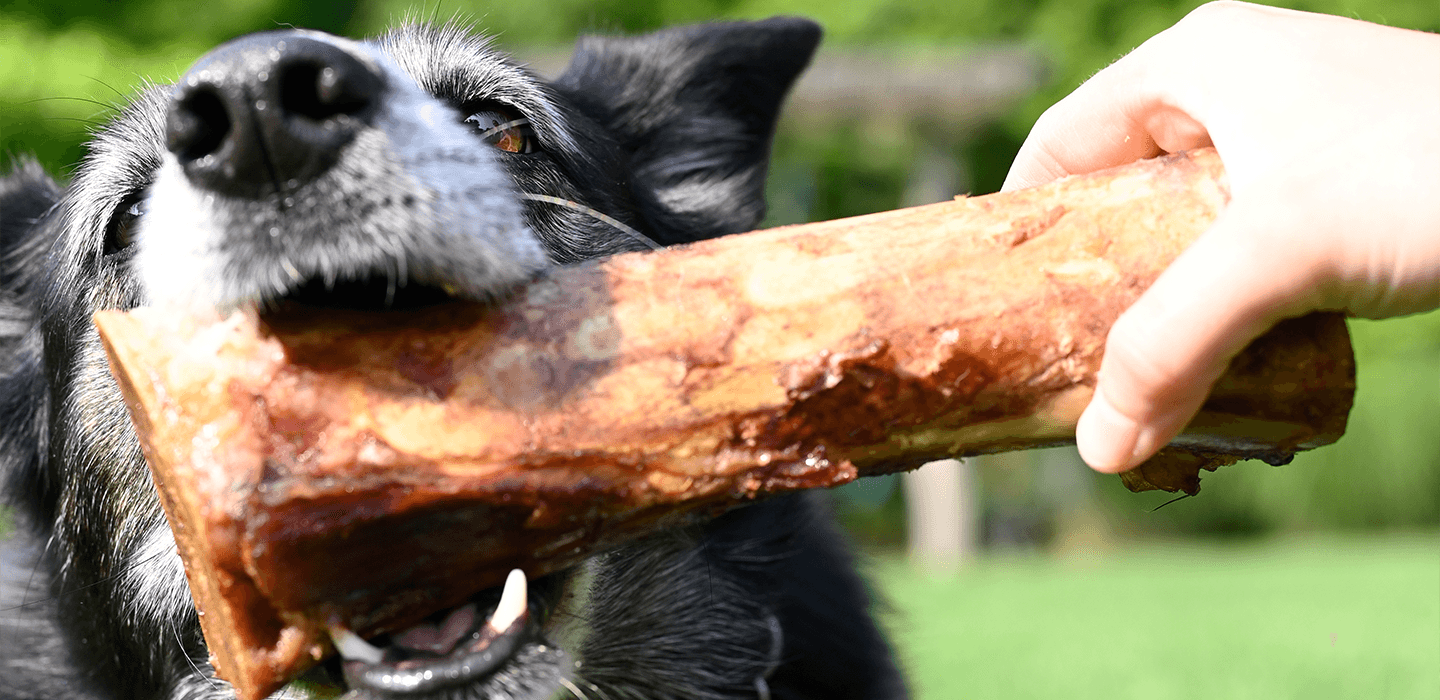
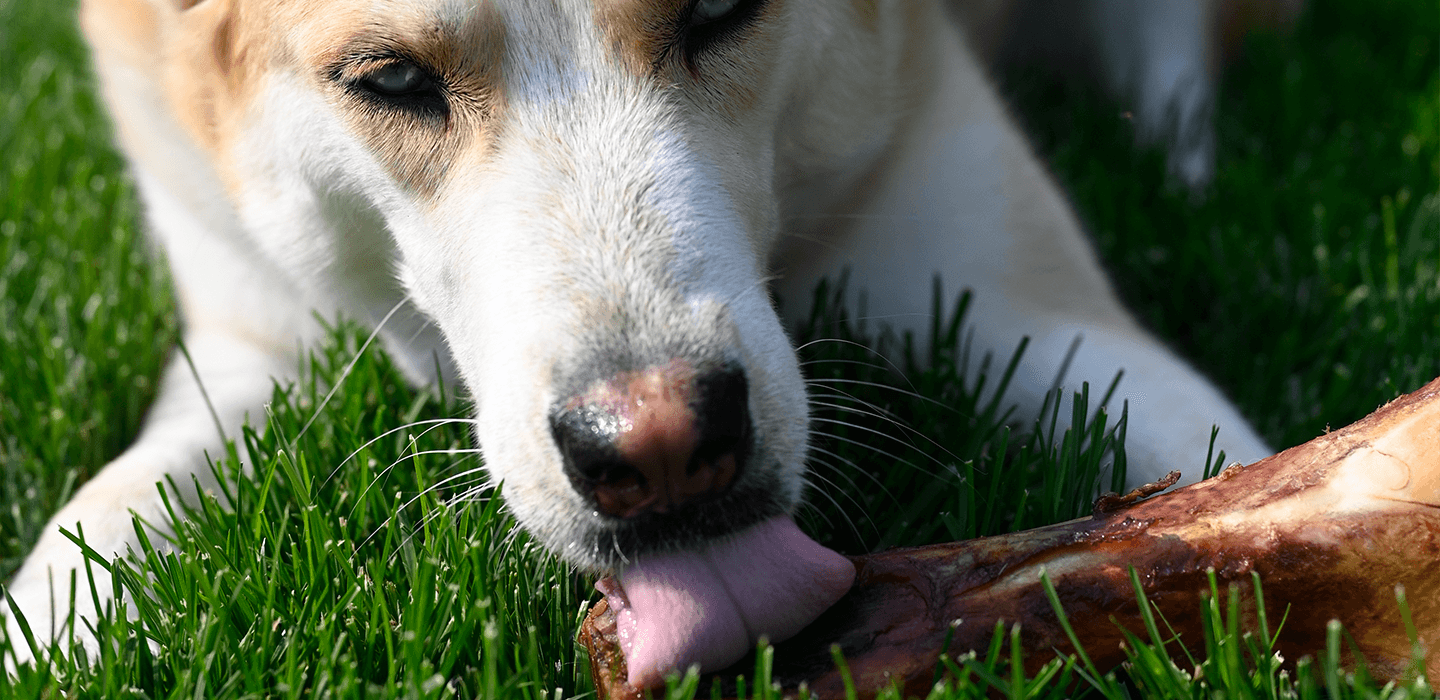
Quick answer: for many dogs, chewing is a natural, healthy behavior — and the right long-lasting chew can be a legit win for enrichment, oral health support, and keeping your dog busy in a good way. The key is choosing an appropriate size, watching your dog’s chew style, and following basic safety rules.
Let’s break down what dog bones (and long-lasting chews) can do for your dog — and how to get the benefits without the common “oops” moments.
1) Chewing is natural enrichment (and dogs need it)
Dogs are built to chew. It’s one of the simplest forms of enrichment: it gives them a “job,” provides mental stimulation, and can help take the edge off boredom. For a lot of dogs, a good chew is the difference between “calm and satisfied” and “I’m going to redecorate this couch with my teeth.”
What you’ll typically notice with the right chew:
- Less restless pacing or “looking for trouble”
- More calm downtime after chewing
- A more satisfied, content posture (especially after meals)
Why our customers love single-ingredient chews
Simple is powerful. A single-ingredient chew means you’re avoiding a lot of the mystery stuff that shows up in ultra-processed treats. That matters if your dog has a sensitive stomach, itchy skin, or you just want a cleaner routine.
2) Chewing can support oral health (with the right product)
Chewing isn’t a replacement for brushing — but it can help. The act of gnawing creates mechanical contact that may help reduce buildup over time, especially when you choose products designed for oral health.
If you want a strong signal that a product is specifically supported by evidence for plaque/tartar reduction, look for the VOHC Seal of Acceptance on dental products.
“Regular use of products carrying the VOHC Seal will reduce the severity of periodontal disease in pets.”
Real talk: not every chew is a “dental chew.” But long-lasting chewing can still be part of an overall oral routine — especially if your dog is consistent and you’re smart about the chew you choose.
3) Nutrition: what bones/chews can (and can’t) do
Chews are not a meal replacement — but they can still play a role in a clean, high-protein lifestyle for dogs. Bones and single-ingredient animal-part chews may naturally contain things like connective tissue (collagen-rich), small amounts of marrow, and a high-value taste that makes dogs actually want to engage.
That said, treats should stay in the “treat lane” — which is exactly why we like chews that are satisfying without needing a bunch of extra ingredients.
“Treats should not contribute more than 10% of a dog’s daily calories.”
Best practice: if your dog is getting a long chew that day, reduce other treat calories a bit and keep the routine balanced.
4) Why single-ingredient chews beat “mystery treats” for most dogs
If you’ve ever scanned the back of a treat bag and thought, “what is half of this?” — same. Here’s why people switch to single-ingredient chews:
- Cleaner ingredient profile: no fillers, no dyes, no “flavor” blends
- Simple troubleshooting: if a dog reacts poorly, you know what it was
- High engagement: dogs will actually work on them (not just inhale them)
- Better ritual: chewing time becomes a calm “daily thing,” not chaos
At Berserkergang Bones, we keep it brutally simple: single-ingredient chews, USA-sourced inputs, smoked low & slow — made in NJ.
5) Safety rules (don’t skip these)
Chews are awesome — but only when you follow the basics. Here’s the no-drama checklist.
Choose the right size
- Too small = swallow risk
- Too big/hard for the dog’s chew style = tooth risk
Always supervise
If your dog is chewing, you should be in the same area. If the chew gets small enough to fit fully in the mouth, it’s time to take it away.
Know your dog’s chewing style
- “Nibbler” dogs usually do great with long chews
- “Power chomp” dogs may need different options (ask your vet if you’re unsure)
- Dogs with a history of broken teeth, dental disease, or seniors may do better with softer chews
If you’re unsure, ask your vet
Especially for dogs with dental issues, GI sensitivities, or aggressive chewing behavior.
The Berserkergang approach
We’re built around a simple standard: real inputs, real flavor, no nonsense. If it’s not something we’d give our own dogs, it doesn’t ship.
Want to try it? Start with a size that matches your dog, supervise the first session, and treat it as part of your routine — not a random “sometimes” thing.
Sources
- Merck Veterinary Manual: Nutrition — general considerations in dogs
- VOHC: About the VOHC (Seal of Acceptance)
Disclaimer: This article is educational and not medical advice. Always supervise chewing and consult your veterinarian for dog-specific guidance.