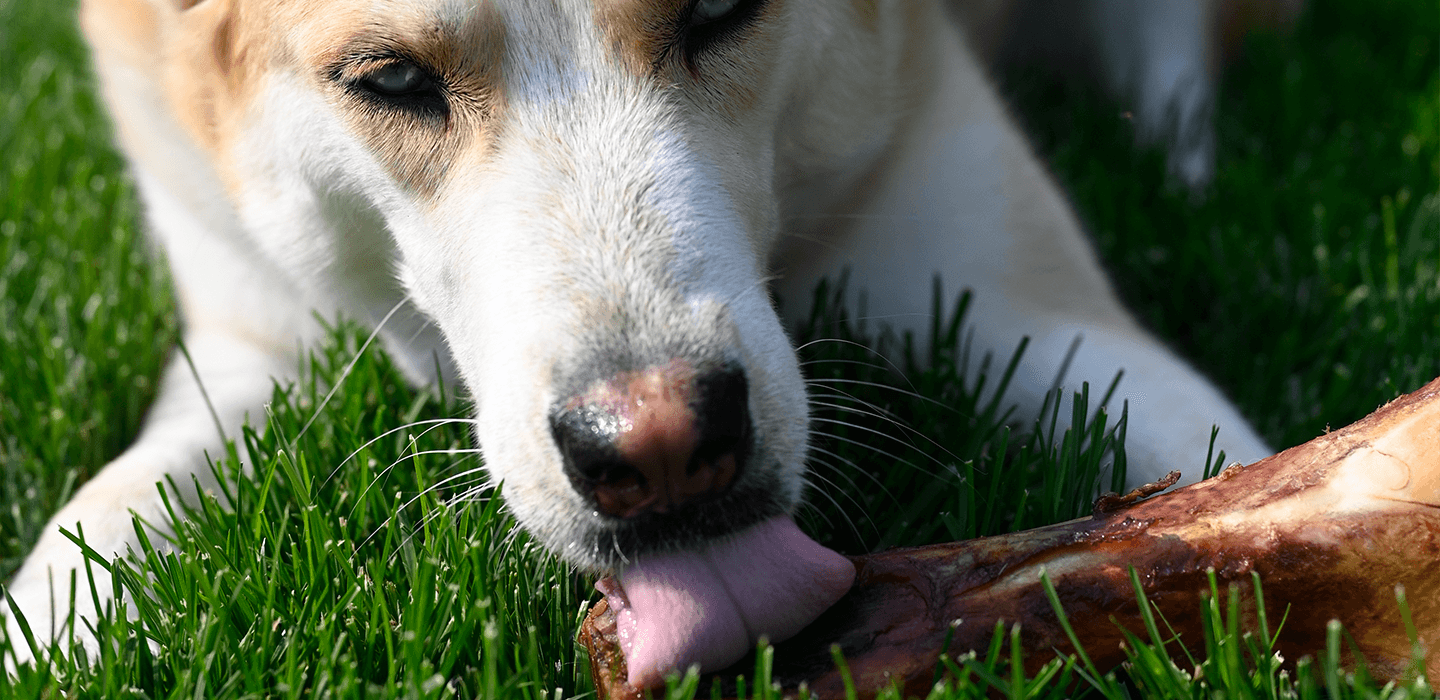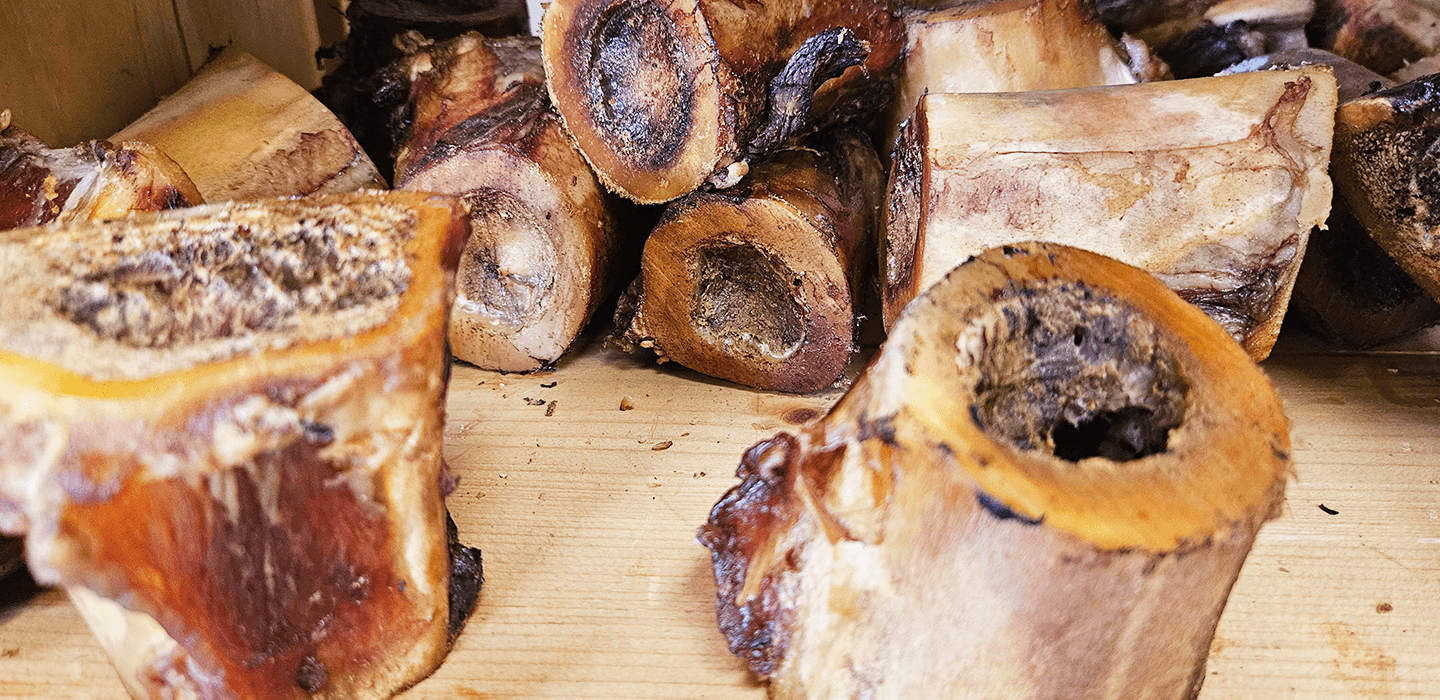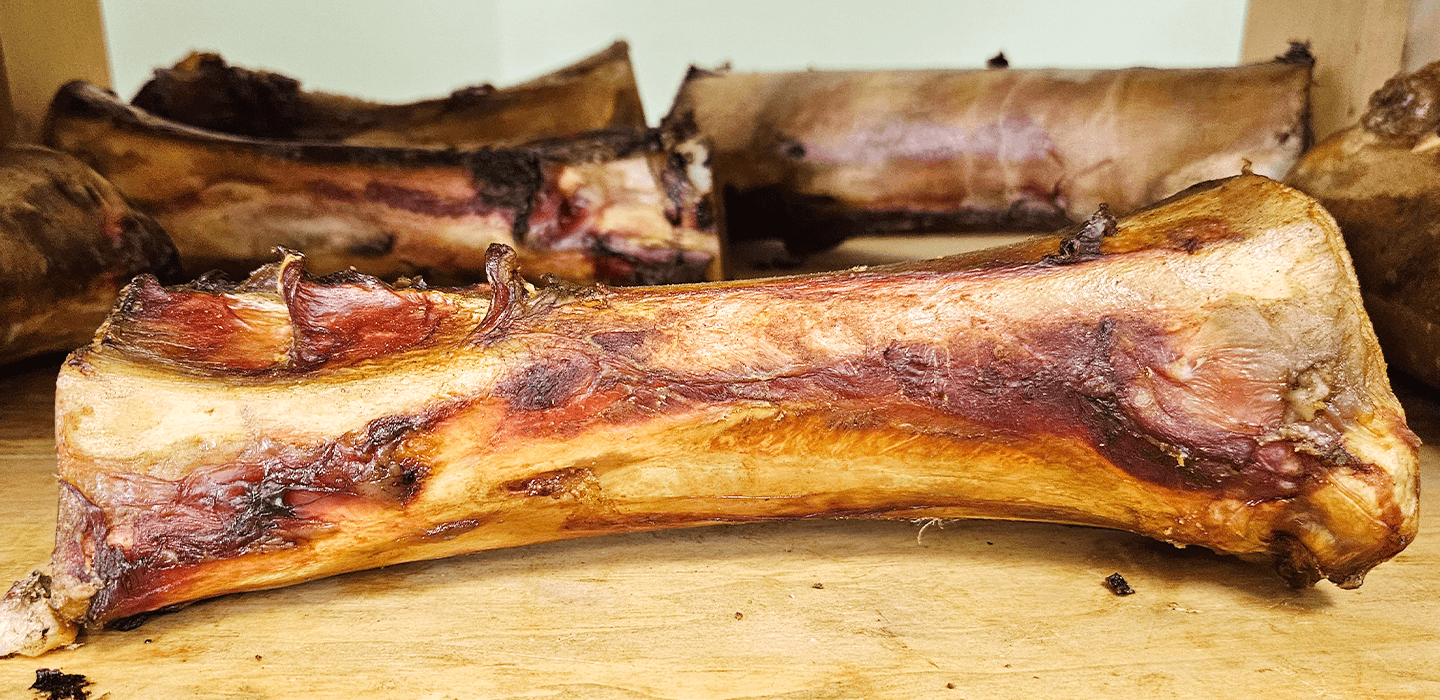
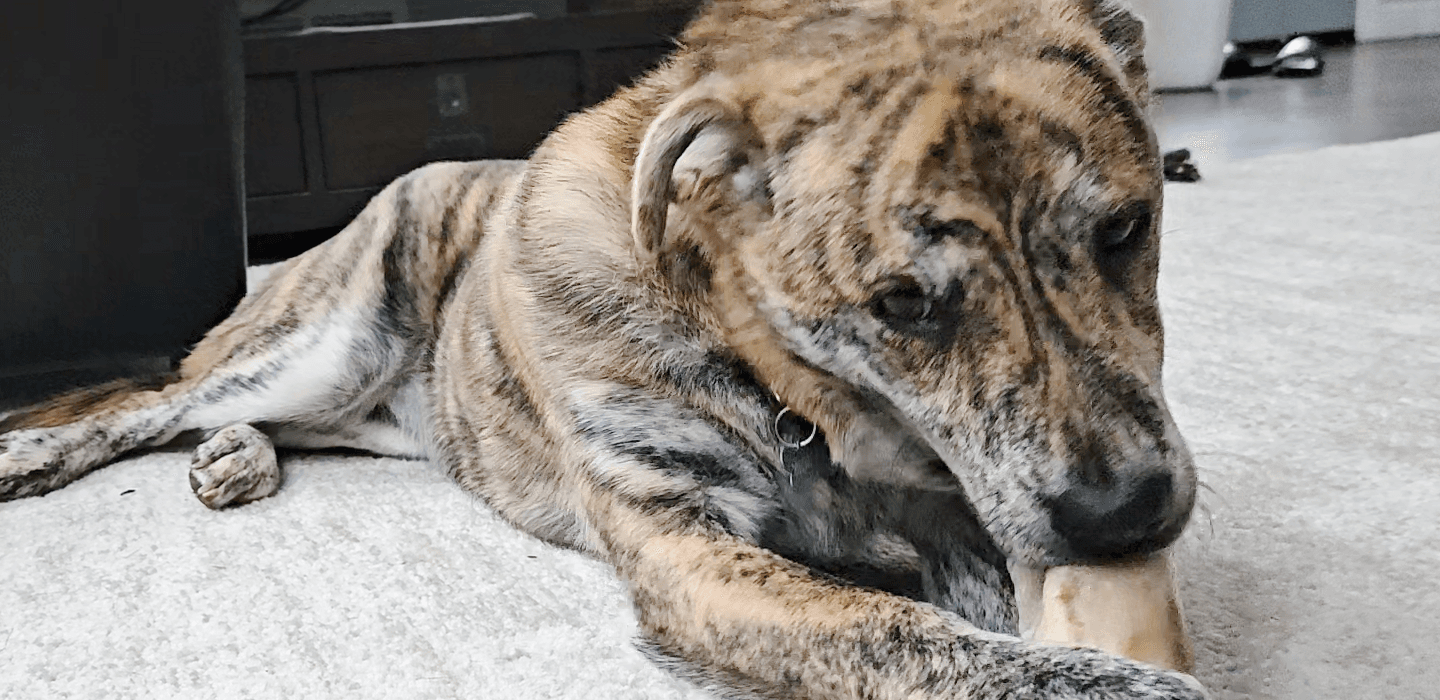
Chew safety isn’t complicated. It’s a system you repeat. If you do the same few things every time, chews stay what they’re supposed to be: enrichment, calm, and a happy dog doing dog things.
The 3-part safety system
1) Size up (when in doubt, always)
The fastest way chews become risky is when they get small enough to swallow. If you’re choosing between two sizes, pick the bigger one.
- Multi-dog homes: size up — competition makes dogs rush.
- Power chewers: larger/denser options usually create calmer sessions.
- Gulpers: choose chews that can’t disappear quickly.
2) Supervise the first 5 minutes
The beginning tells you everything. Watch how your dog approaches the chew:
- Good sign: steady work, controlled chewing, pauses to reposition.
- Bad sign: frantic cracking, trying to swallow chunks, aggressive snapping.
If it looks chaotic, end the session and switch to a safer option.
3) Toss it early (don’t “get your money’s worth”)
Here are the three “no debate” toss signs:
- Sharp edges develop.
- Large pieces break off that could be swallowed.
- The chew becomes small enough to fit fully in your dog’s mouth.
Quick takeaway: Chews are enrichment — not a gamble. Size up, supervise, toss early.
What to choose for seniors or sensitive teeth
Older dogs and sensitive chewers often do better with gentler options. If your dog is cracking hard or looks uncomfortable, switch to something less punishing.
Safety note
Always supervise chewing and provide fresh water. If your dog has a history of gulping, ask your vet about safer chew choices.